
Lead the pack with the latest in strategic L&D every month— straight to your inbox.
SubscribeNo one wants to work a job where their efforts aren’t fairly compensated on their payslip.
No one wants to work a job where their efforts aren’t fairly compensated on their payslip. And no one wants to work a job where their successes aren’t given the recognition they deserve. There’s also nothing worse than asking for a pay raise and being turned down despite the fact you’ve worked harder than ever.
Sometimes, it can feel like remuneration decisions are made entirely on vibes rather than any tangible data points.
Capabilities can make this clearer for both managers and employees so everyone understands why remuneration decisions were made.
Salary banding with capabilities
A lot of vacant jobs are advertised with salary bands. For employees, the understanding is that as they gain more experience and take on more responsibilities, they’ll start earning more on that scale. Capabilities create measurable outcomes that employees can use to support their request for a pay rise, and managers can use to justify the pay rise.
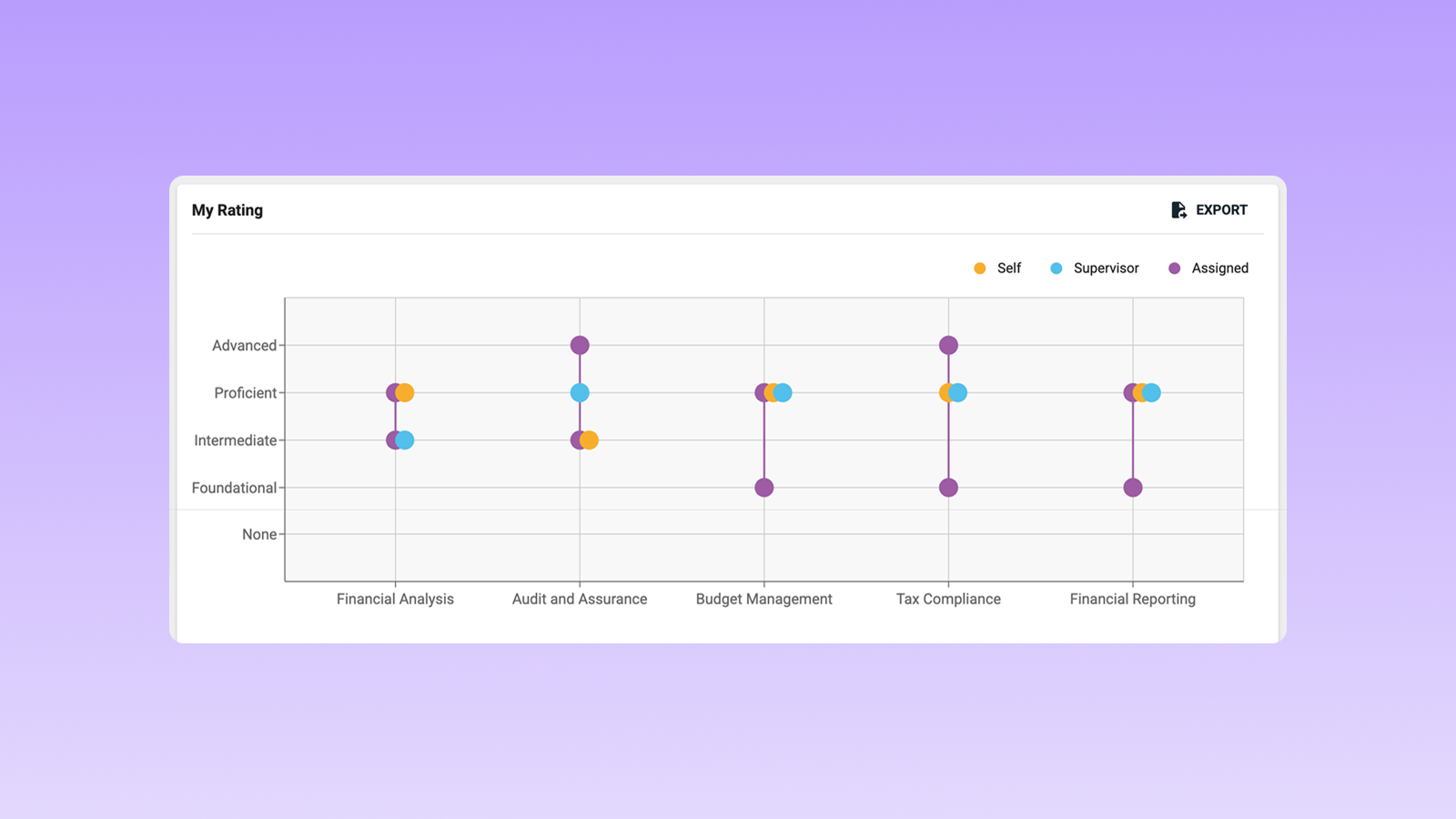
How does that work, exactly? Each job role has a set of capabilities mapped to it, which employees need in order to perform their jobs. Each of those capabilities comes with an assigned competency level for each. These are tangible and measurable levels of performance, not just nice titles to award willy-nilly. Each competency level has a defined set of criteria that employees need to meet in order to be performing at that level.
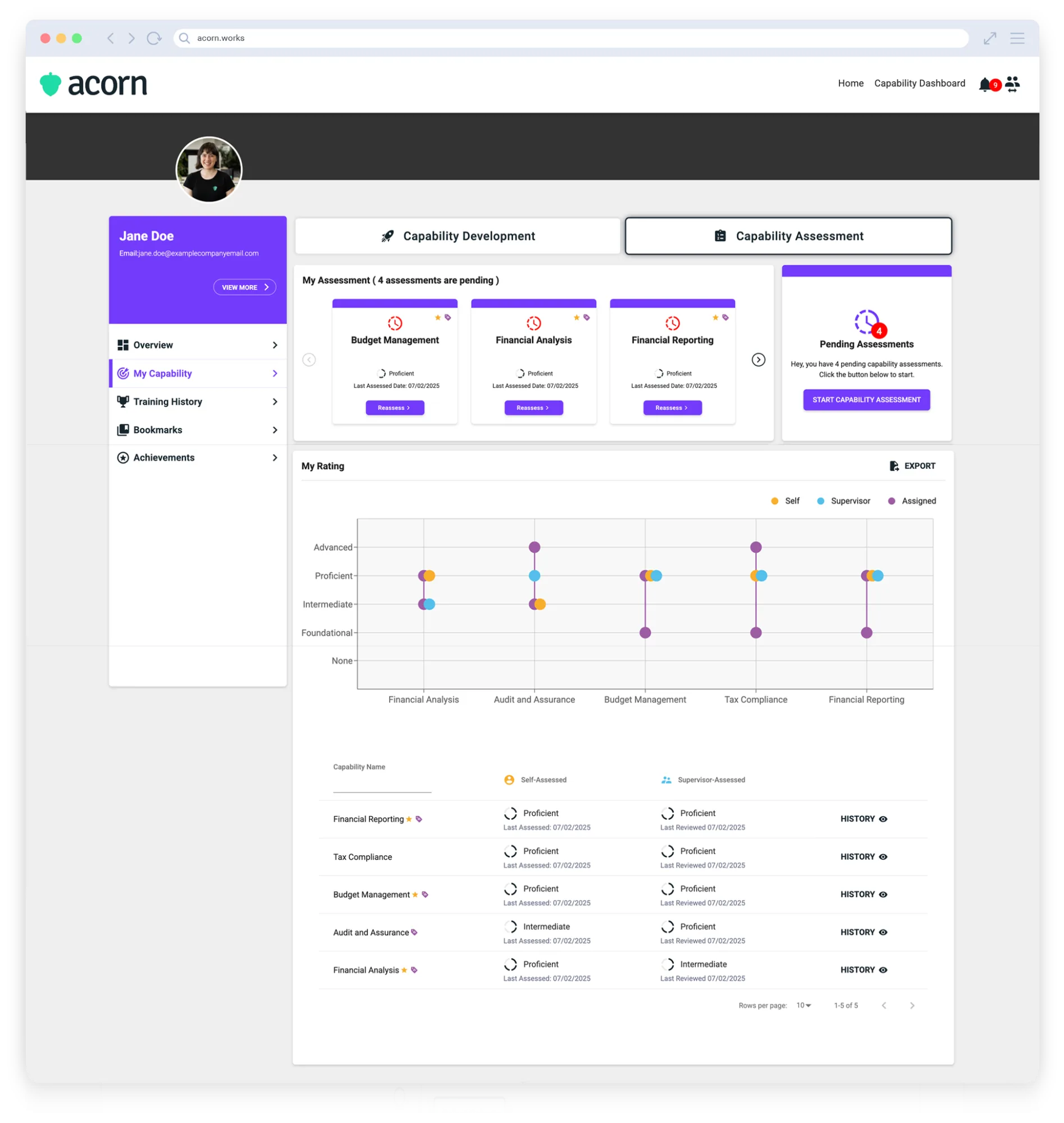
A new employee probably isn’t going to be hitting all their capabilities perfectly from day one (that’s what training is for!) but over time they’ll move up from foundational to proficient level competency. As employees rise through competency levels, their salary should rise with them to reflect their efforts and capabilities.
It means that remuneration decisions are based on facts and not whether or not a manager remembers all the good things an employee’s done over the last year. Bias, and recency bias in performance evaluations especially, can prevent employees from getting the right recognition and rewards they deserve.