
Lead the pack with the latest in strategic L&D every month— straight to your inbox.
SubscribeWhen it comes to capabilities there are two types: business capabilities and individual capabilities.
When it comes to capabilities there are two types: business capabilities and individual capabilities.
Your business capabilities are the mixture of skills, knowledge, behaviors, tools, and processes that the organization itself possesses to achieves its strategic goals.
On the other hand, individual capabilities are the skills, knowledge, behaviors, tools, and processes that individuals possess to perform their job roles.
You might be wondering how these help workforce analytics—after all, aren’t these more useful for L&D? Well yes, but that’s not all they’re good for. In fact, we’d go so far as to say that capabilities can (and should) be used across the HR function to track, predict, and analyze:
- Underperformers
- Employee retention issues
- Capability gaps across your organization
- Workforce mobility and succession planning
- Remuneration and recognition.
In other words, capabilities are a key factor in empowering workforce planning activities.
Capabilities, underperformance, and retention
Every job role has an assigned capability set, and defined proficiency levels. Being “proficient” is perfectly fine if that’s your assigned competency level, but if you perform consistently at a “foundational” level, there may be performance issues to address.
How you address those issues is super important. A lot of organizations choose to do a single performance review every year, but the problem there is employees only learn where they’ve been going wrong after a year of ingraining those habits, which is easily demoralizing. Your employees need support—that means frequent one-on-ones with managers and providing them with the right development opportunities throughout the year. If you’re not addressing their needs they’ll find an employer who will.
Capabilities to identify gaps
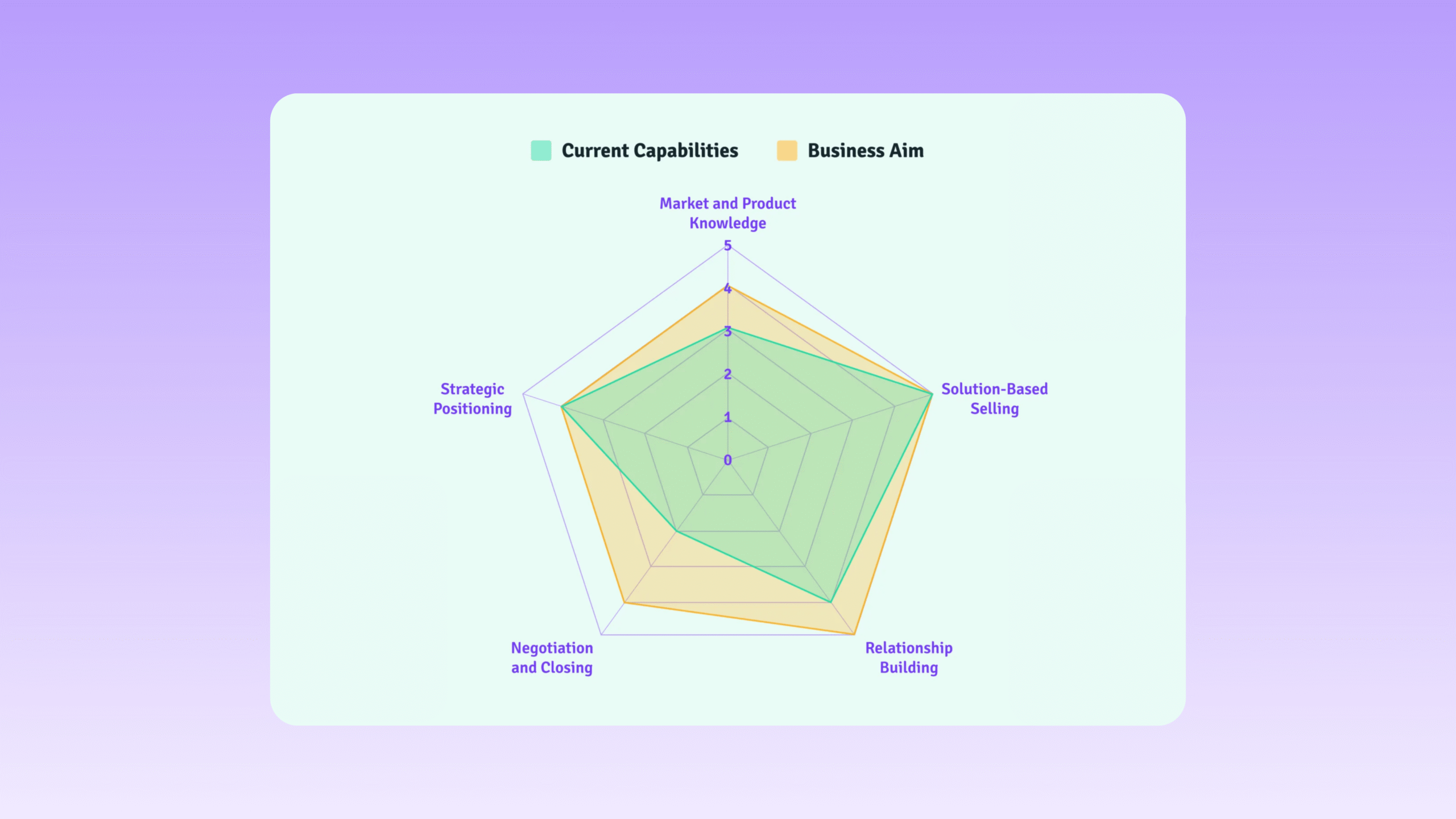
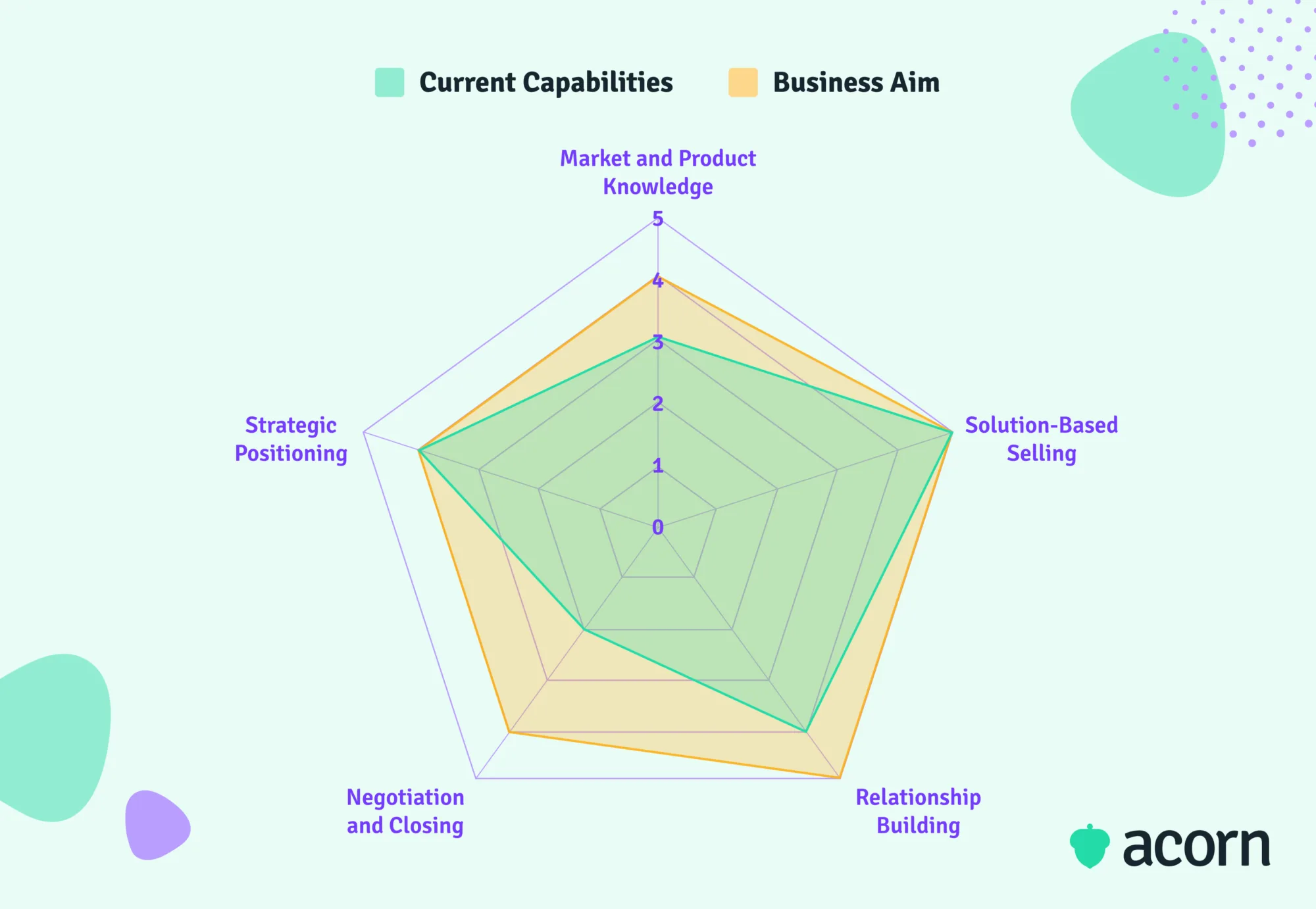
It all comes down to capability maturity. You need your business capabilities to be performing at a certain maturity to hit your organizational goals, but when they don’t, those are capability gaps. If they’re not addressed, they’ll just get bigger over time as the industry evolves without you, or more skilled employees leave your organization.
Succession and mobility with capability
That takes us to closing those capability gaps. When you assess your employee’s capabilities as part of performance management, you can see where they’re proficient and where they might need further development. Maybe you have people who already meet the proficiency requirements you have for some gaps, in which case, that person is a candidate for succession into a role that addresses that. Or maybe you have someone who isn’t quite meeting that proficiency, but will if they had a little development and support from you.
To make it truly proactive rather than a reactive case-by-case basis for addressing gaps as they arise, you should analyse where gaps will appear in advance. That way you can build a solid talent pipeline of candidates among your own people, ready to step into positions as needed.
Capabilities determine remuneration
Every job role has a pay scale based on responsibilities, seniority, and industry standards. What people earn within that scale should be determined by their capability proficiency, not just vibes (which a lot of people tend to think performance management is, anyway). And the reason people think that is often because there are no tangible metrics to measure performance by. With capabilities, you need to provide evidence to back up why you’re giving the proficiency score that you are. And if you’re performing your capabilities above your assigned level, you should be awarded remuneration that reflects that (so, not base level pay).
It’s easy to let your high performers chug along as usual, but it’s better for employee morale and retention if they get the compensation they deserve for their efforts. It means you retain top talent for longer.