
Lead the pack with the latest in strategic L&D every month— straight to your inbox.
SubscribeEver sat through a really bad performance review? Most people have. Too often, people turn up to their annual performance evaluation just to hear where they’ve been falling behind or going wrong throughout the year, with no indication on what they can do to improve in the coming performance period.
Or, recency bias heavily skews performance evaluations. Janet from marketing could turn up thinking she’s God’s gift or the worst employee in the company, but if her manager can’t remember more than a couple of recent examples of what she’s done, she’s leaving the meeting none the wiser.
On top of that, a lot of employees often don’t get resources or support throughout the performance period, so when they only hear where they were going wrong in the performance review, it’s a slap in the face.
Performance vs. potential
The traditional method of evaluating performance is open to a lot of bias, because the process is way more subjective than objective. And that just makes people distrustful of the performance review process. The lack of tangible criteria to mark employees against lets personal biases creep in (whether that’s recency bias, the horn effect, or something else).
Capabilities provide the tangible criteria managers need to fairly and effectively mark employee performance. Because capabilities are broken down into defined proficiency levels and those proficiency levels are mapped to job roles, it’s easy to track how employees demonstrate competency in their capabilities.
Perhaps an employee has a higher competency level than required. Or they’re competent in another capability that isn’t currently part of their job’s capability set. That’s what we call potential. It’s the opportunity for an employee to advance their career or shift into adjacent career pathways that they may be more suited to, or more interested in.
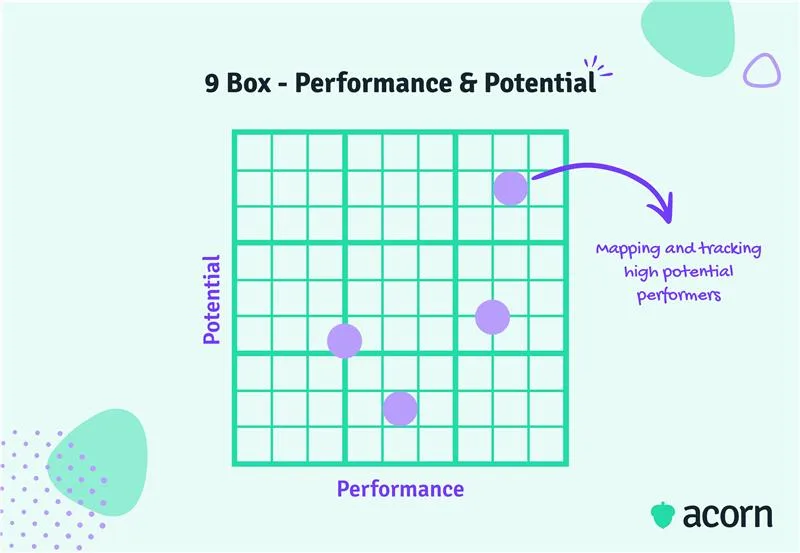
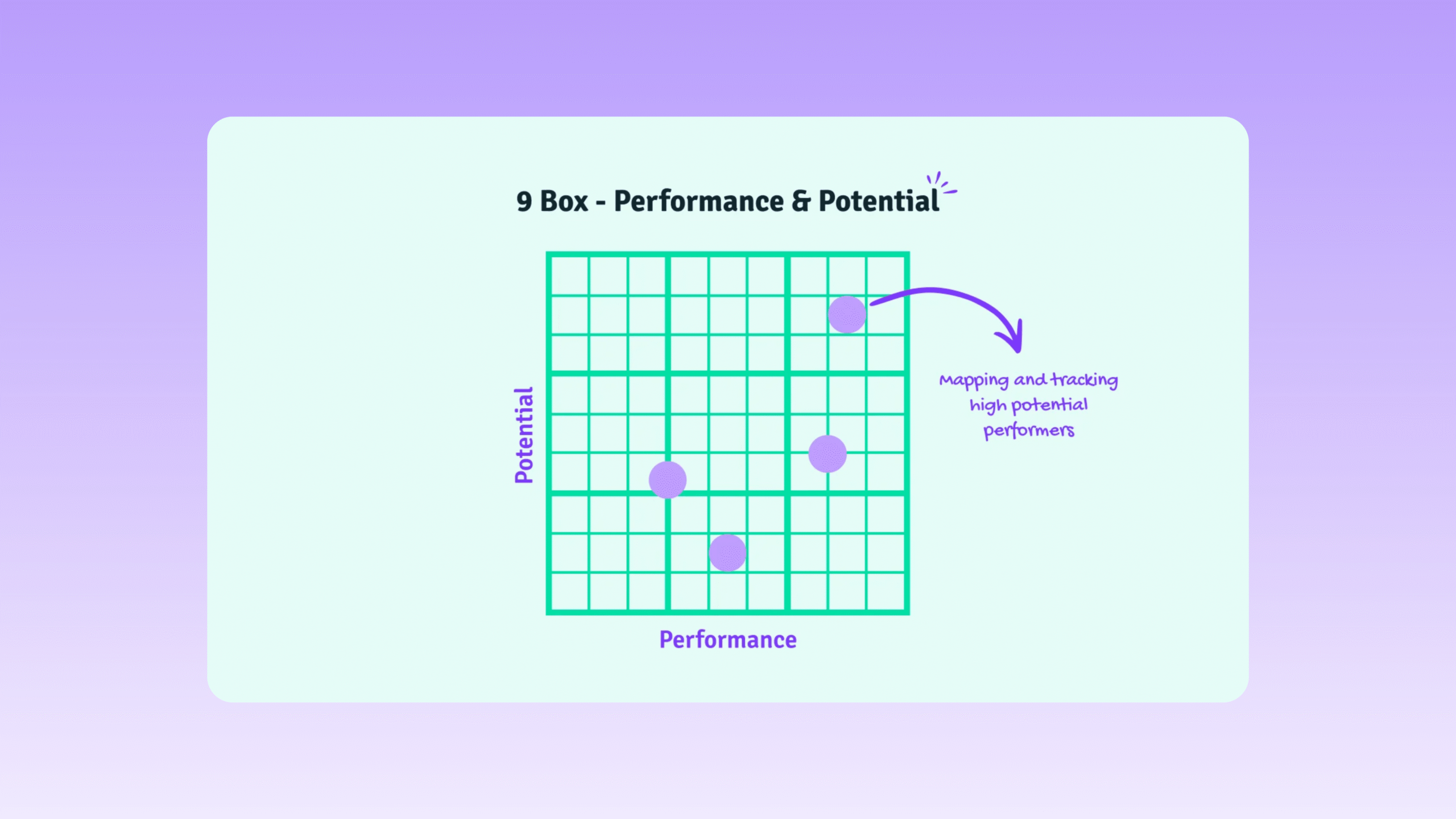
Let’s say you map performance vs. potential in a 9-box grid. Using this you can:
- Identify employees for your leadership pipeline
- Address the gap between performance and potential to create smoother role transitions
- Mitigate the risk of unexpected turnover by addressing capabilities that may be at risk if employees (and their proficiency) were to leave the business.
Goal-setting with capabilities
No potential can be realised without setting goals. An employee may want to move into a more senior role at some point, but they can’t do that without doing any of the work to get there. Maybe their current role requires them to be at the proficient level in product strategy, but to advance in their career, they need to be an expert.
This can’t happen entirely in isolation, though. Both the employee and their manager need to be on the same page in terms of development. The great news is that capabilities can kind of write those performance goals for you—they create defined, measurable targets to work towards. These aren’t half-heartedly created New Year’s resolutions with no plan as to how to carry it out successfully. These are goals that actually get you where you want to be.