
Lead the pack with the latest in strategic L&D every month— straight to your inbox.
SubscribeWhen we’ve talked about capabilities before, we’ve spoken specifically about capabilities in L&D. But we don’t need to—and shouldn’t—limit ourselves to that. In fact, a lot of HR functions bring more value to your business when they’re underpinned by capabilities, including career progression.
What are capabilities, exactly?
Capabilities are the combination of skills, knowledge, behavior, processes, and tools that deliver organizational outcomes. They’re measured by levels of competency ranging from foundational to advanced. In L&D, these competencies specify how well an individual is able to carry out their job-specific capabilities (i.e., how well a copywriter creates content, or how efficiently a salesperson can close a deal).
Career progression: How do capabilities fit in?
At the moment, a lot of organizations are trying to solve this issue with skills. That doesn’t work. There are too many skills, they’re too broad, and they’re transient—as in, they change too quickly.
Academically, they’re sound. But in practice, not so much.
Capabilities can improve how we approach career progression in three key ways:
- Providing clear career pathways
- Supporting remuneration decisions
- Improving career mobility activities
Let’s unpack that a little more…
Career line-of-sight
We don’t just mean the traditional linear line-of-sight here. Capabilities also help in identifying adjacent career pathways.
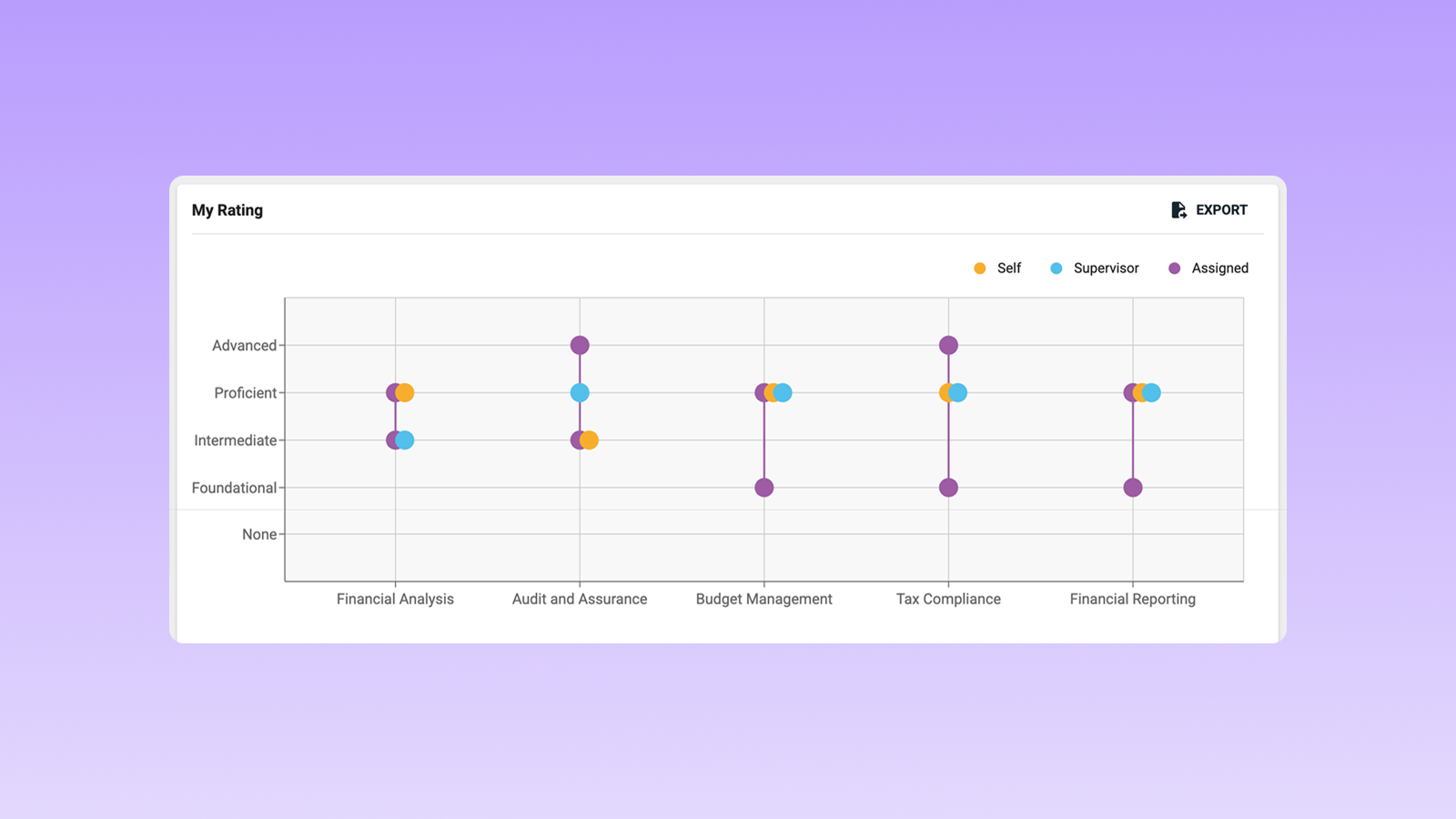
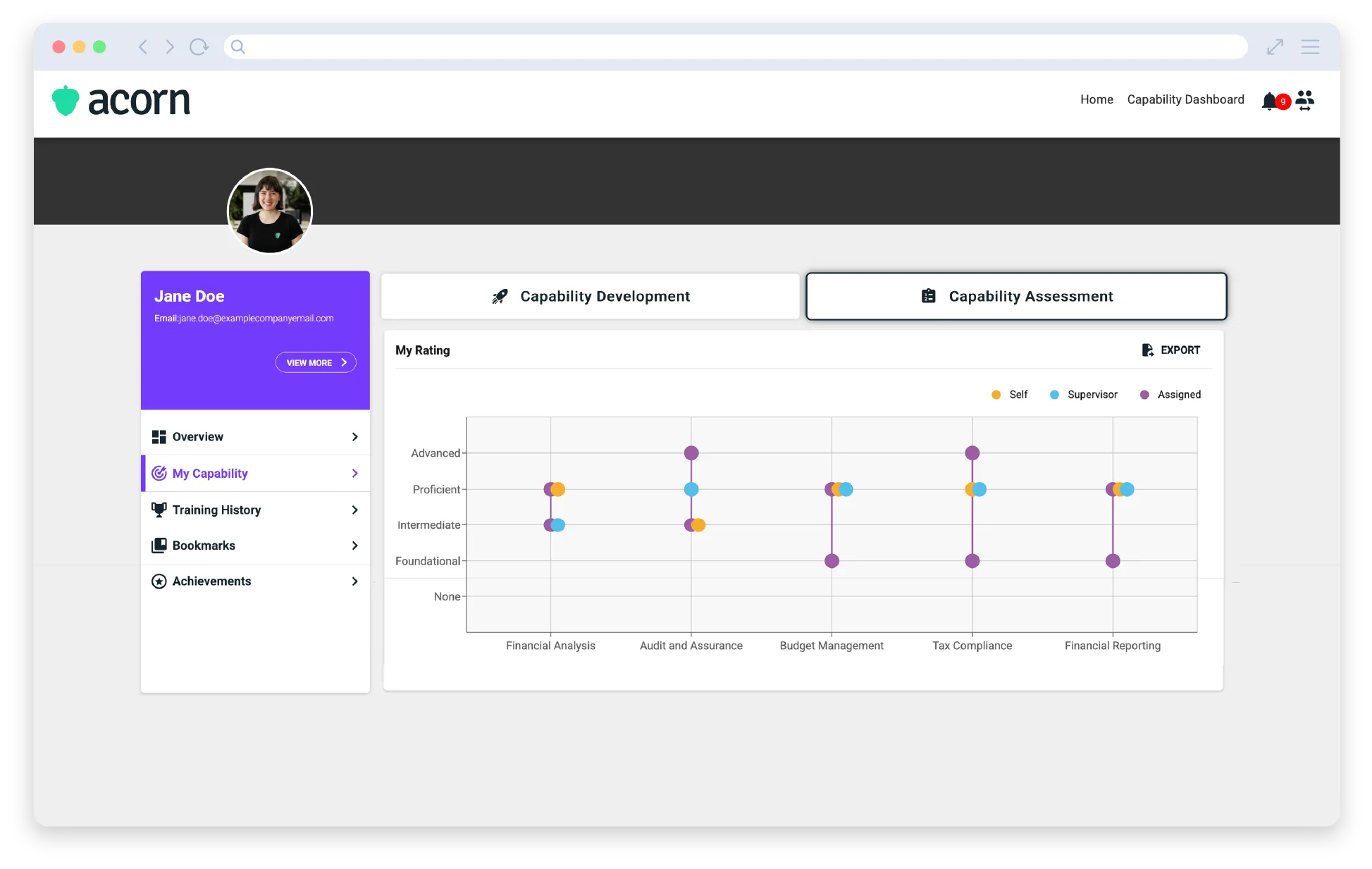
Every job role has a set of capabilities assigned to it (we like to use five, with an extra one for team leaders), and a level of competency assigned to each capability. A content marketer and the marketing manager might share some capabilities like marketing strategy, but won’t be expected to perform to the same level of competency. So, content marketers may only need a developing level of competence in marketing strategy, whereas marketing managers need proficient or even advanced knowledge.
They may also share capabilities with the marketing designer, or may have an interest in more design-oriented capabilities. Months down the line, they’ll have done training to improve their capabilities, and now they’ve hit their required level of competence. But that also means they’ve hit 70% of the capabilities needed to progress to several other marketing roles (like the designer role they were interested in). It’s a quick way of identifying potential career pathways that employees can take, and that internal mobility is a crucial part of employee retention.
Renumeration
When people complain about performance reviews, it’s not just because they don’t like criticism. It’s that performance evaluations aren’t transparent enough, or they don’t lead to actionable steps for improvement, or that the evaluation itself is rooted more in “vibes” than tangible benchmarks. They become a lesson in enduring meaninglessness.
All of these issues can be avoided with capabilities. They clearly outline required behaviors, knowledge, and skills. And each level of competency comes tied to a salary benchmark. Not only do both employees and managers understand what’s being evaluated and why, but you—the business—understand how each role does what they do. And you can use evaluated capability levels to make transparent renumeration decisions, because they’ll be backed up with measurable indicators.
Career mobility
Let’s imagine you’re starting a new job. While most new jobs come with a learning curve, here you don’t need to start at square one with training because you’ve already proven your competency levels (70% of the way there, remember?). Instead, you get to start more advanced training in line with your current capabilities.
Let’s call it a “capability passport”. An enduring record of your capabilities mapped to past roles. The idea is you have a passport showing what capabilities you have (and therefore what job roles may be open to you). Then, when you start a new role, your new manager has a quick overview of your strengths, development areas, and potential career pathways. It’s not just for your current role, either. The point is that you can take your capability passport with you anywhere so you can see your job horizon outside the organization.
The bottom line
Capabilities create measurable benchmarks for performance that inform and reveal opportunities for career progression—something organizations have traditionally lacked. The days of strict upwards mobility are gone. Now people can make lateral moves in their careers, and they don’t have to start at square one because their capabilities already got them part of the way there.
It’s all about giving HR the visibility to identify those career pathways in the first place, and capabilities give that visibility to support the fluidity of the workforce.