
Whitepaper
Fixing the skills debacle
Why skills programs stall about a year in, and seven moves you can run this quarter to get yours back on track.
In this paper
- The three points where skills programs break: evidence, benchmark and ROI
- The 59-point gap between what executives and individual contributors see
- How to cut a framework to the four to six things each role actually does



With Kate Bravery, author of Mercer’s Global Talent Trends, Tara Cooper of Mercer, and Blake Proberts of Acorn

Get the whitepaper
Sources: Mercer’s Global Talent Trends 2026; Acorn, 2026 State of Learning for AI Fluency Report
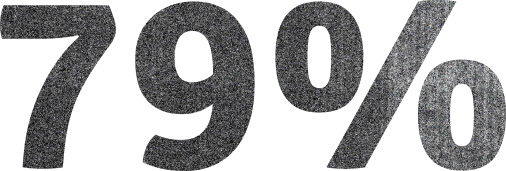
of executives say better insight into talent capability is key to outsize performance

of organizations still treat course completion as proof that skills exist

of individual contributors say managers are prepared for capability conversations, against 77% of executives
“Too many clients have spent nine months building a 1,200 skills taxonomy, then plugged it into the same requisition process, the same performance cycle, the same job architecture. One year later, all we got is longer job descriptions.”
Kate Bravery, Mercer
What’s inside
Find where your program breaks
Trace a stall back to evidence, benchmark or ROI, the three points where skills programs fail to prove their value.
Cut the framework to four to six
Reduce one role family to the handful of things the person actually does, and hand it to the team lead to finish.
Capture evidence in performance conversations
Ask managers how someone achieved a result, so the answer becomes the benchmark for that capability.
Report a leading indicator
Choose one forward-looking workforce measure tied to a transformation goal, and put it in front of your executives monthly.
Start fixing your skills program this quarter
The other three moves are in the full whitepaper, along with the research behind all seven.